
Ever sat in a café, listening to a street musician, feeling a sense of déjà vu, and suddenly wondered if you should’ve written “since” instead of “sense” in that text to your friend? Yeah…
I’ve been there more times than I care to admit. Words like sense, since, and cense are the sneaky ninjas of English they sound the same (or almost), but mean totally different things.
And don’t even get me started on trying to teach my niece Alice the difference she just looked at me, tilted her head, and said, “Isn’t it all the same thing?”
Let’s unravel this tangled web of homophones, pronunciations, and spellings while sprinkling in anecdotes, little humor, and yes… maybe even a story about Metallica and Febreze.
| Word | Pronunciation | Part of Speech | Meaning / Use | Example |
|---|---|---|---|---|
| Sense | senn-se | Noun / Verb | Perception, understanding, feeling, intuition | I sense something strange in the air. |
| Since | sin-se | Conjunction / Preposition | Time (from a point) or cause/reason | I haven’t seen David since January. |
| Cense | senss | Verb | To burn incense or perfume in a ritual | The priest censed the altar before the ceremony. |
Understanding Sense – More Than Just a Feeling
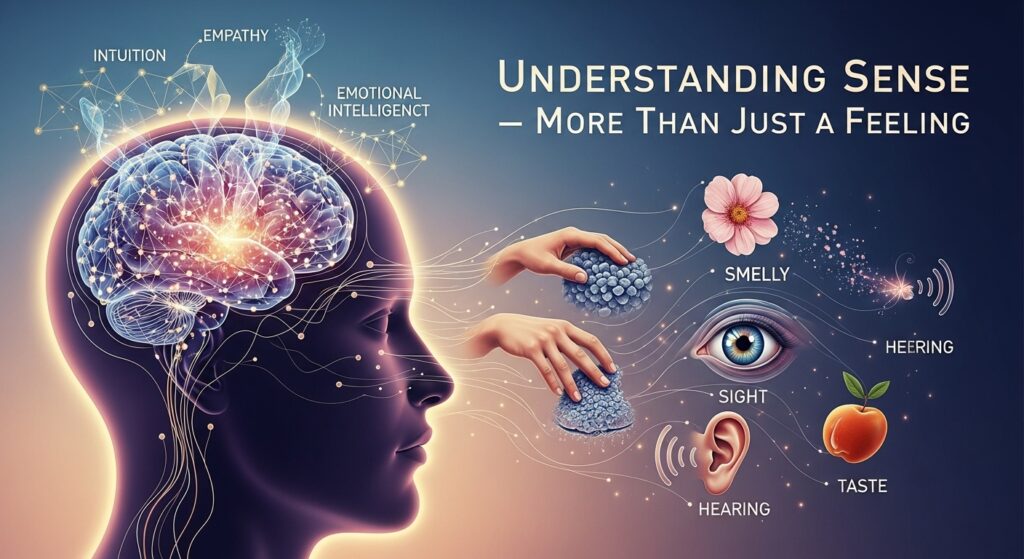
The word sense is one of those little gems in Language that carries multiple shades of meaning. You can sense danger, sense joy, or simply perceive the aroma of freshly censed incense in a Wiccan ritual.
It’s all about perception, intuition, and the way your mind connects the dots of reality. Think about your five senses sight, smell, taste, touch, hearing each one letting you perceive and feel the world in slightly different ways.
- You sense the tension in the room when David walks in wearing socks that smell suspiciously like Febreze.
- She had a keen sense of humor, laughing at Metallica memes no one else understood.
- Even babies, like little Eliza, sense when something is off even if she can’t talk yet.
- Writers often sense the tone of a story before they write a single word.
- You might sense a storm coming by the smell in the air or the crackle of electricity.
- Sometimes, your common sense whispers louder than any advice.
- Poets sense feelings that can’t be explained by words alone.
A small tip: When you’re unsure whether sense fits, ask yourself am I talking about perception, intuition, or understanding? If yes, you’re probably on the right track.
Since – Marking Time and Cause
Ah, since… the little word that loves to travel through time and causation. It’s one of those temporal usage words that English learners often mix up with sense, because pronunciation is sneaky: senn-se vs sin-se.
Since is your friend when you’re talking about time intervals, reasons, or instances.
- I’ve been listening to Metallica since last year, when David recommended their vinyl collection.
- She’s been happy since Alice was born it’s like the room just changed color.
- They haven’t bought Febreze since the summer of 2023; apparently, the couch smells just fine now.
- We haven’t been to the Wiccan gathering since January, but the memories still linger.
- I haven’t felt such joy since I held Eliza for the first time.
- He’s been writing since dawn, fueled by caffeine and a slightly crazy sense of purpose.
A trick I like to tell students is: if you could replace the word with “from that time” or “because,” since is usually correct. Try it it works like magic.
Cense – The Sacred, Heavily Scented Homophone
And here comes cense, the mystical one, wrapped in smoke and ritual. Not many folks use cense outside of spiritual or ceremonial contexts but it’s just as important. To cense means to burn incense or perfume the air, usually as part of a ritual or sacred ceremony.
- At the Wiccan altar, we cense the sacred objects before the rite begins.
- Grandma used to cense the living room every Sunday morning; the smell of sandalwood filled the air.
- To cense is to purify a space, to invite focus and calm.
- The priest censed the sacred objects heavily before the ceremony.
- During summer solstice, some families cense their homes to remember loved ones.
- Metallica might not cense their instruments, but the effect of their music is almost spiritual.
- Alice laughed the first time she saw the smoke rise it tickled her sense of smell.
Pro tip: whenever you see cense, think ritual, incense, or purification. That’s your anchor.
How to Remember the Difference – Memory Tricks and Real-Life Hacks
Ok, let’s be real sometimes these three words are so similar that your brain just wants to melt. Here are some quirky tricks I use:
- Sense: Think feeling. If you can touch, smell, taste, see, or hear it, it’s sense.
- Since: Think time or cause. You’re measuring a starting point or a reason.
- Cense: Imagine smoke curling from an altar, a heavily censed room, a sacred ritual.
Another fun trick is to create little stories in your head. Picture David lighting incense on a cold January morning. He censes the room, senses the warmth in the air, and smiles because he hasn’t bought Febreze since last summer.
See? Three homophones, perfectly aligned in a tiny mental snapshot.
Read this Blog: https://marketbellione.com/mannequin/
Examples in Sentences – Making It Real
Nothing sticks better than examples. Let’s mix things up with different contexts:
- I sense that Alice is about to mix up sense and since again.
- Eliza has been learning English since last year, and her sense of vocabulary amazes me.
- We censed the office with lavender before starting the Metallica playlist best focus ever.
- Sense the difference: she cried since she saw the baby, not because of anything else.
- David had a crazy sense of déjà vu since he walked past the heavily censed altar.
- Words like cense teach kids that some spellings are sacred literally.
If you practice these sentences aloud, you start noticing the pronunciation differences: senn-se, sin-se, senss (for cense, softly).
Common Mistakes and How to Avoid Them
Even grown-ups trip over these homophones. Here’s what I see most:
- Writing “sense” when they mean since: “I haven’t seen her sense last month.” Oops.
- Writing “since” when the sentence demands sense: “I can since a strange smell.” Nope.
- Confusing cense with sense in casual writing: “I will sense the room before guests arrive.” Might sound poetic, but context is off.
A small tip: always read the sentence out loud. Homophones often reveal themselves in sound before spelling.
Homophone Confusion Across Cultures
Languages around the world play funny tricks with similar-sounding words. In English, homophones like sense, since, and cense trip people up because the pronunciation doesn’t match spelling predictably.
In Wiccan traditions, ceremonial language often preserves cense in old texts, so non-native speakers might never encounter it in everyday speech.
Meanwhile, casual English learners will bump into sense and since in emails, textbooks, and Metallica lyrics (trust me, their songs are full of temporal metaphors).
Even children learning Language struggle. Alice once wrote: “I will cense happy all day,” meaning she felt joy. It was adorable, and also a learning opportunity.
Creative Ways to Remember and Practice
Sometimes mnemonics are boring, so here’s a quirky spin:
- Make flashcards: “Sense = Feel, Since = Time, Cense = Ritual.” Decorate with doodles of couches, altars, and tiny Metallica guitars.
- Use real objects: burn a stick of incense and cense your desk. Then sense the smell. Ask yourself: How long has it been burning since I lit it?
- Write mini-stories. Example: “Eliza sensed the smell of the heavily censed altar and remembered the last summer she had visited David.”
Trust me, stories stick way better than rules.
How Parents, Writers, and Language Lovers Use These Words
Parents might sense when their baby girl is sleepy. Writers might measure time since the last plot twist. And practitioners of rituals will cense sacred objects with focus and intent.
Even brands get creative. I once saw a Febreze ad that cleverly hinted: “Your couch hasn’t smelled this fresh since you bought it.” Wordplay is everywhere.
Frequently Asked Questions
sense vs since
“Sense” refers to perception, understanding, or feeling, while “since” indicates time or a cause.
since vs sense
“Since” is used for time or reason, whereas “sense” relates to perception, intuition, or awareness.
since or sense
Use “since” to talk about a time or cause, and “sense” when talking about understanding or feeling something.
makes since or sense
The correct phrase is “makes sense,” meaning something is logical or understandable; “makes since” is incorrect.
sense vs since definition
“Sense” = awareness, perception, or intuition; “Since” = indicating a point in time or showing cause.
Conclusion – Why These Words Matter
So yeah, sense, since, and cense might be tiny words, but they carry amazing weight in communication. One wrong letter can twist the meaning completely, like a Metallica guitar riff hitting a wrong chord intense, noticeable, and a little painful.
Take a deep breath. Sense the difference, remember the time markers (since), and don’t forget the magic of a heavily censed room. Life is full of words that tease and delight, and mastering these three homophones gives you a small but powerful edge in Language, writing, and even everyday life.
Next time you see Alice or Eliza scribbling in English, or hear David narrating a story, notice the words they choose. They’re not just spelling things they’re perceiving, measuring, and purifying life itself.
And if you’re feeling playful, try making your own sentence using all three: “I sensed the incense smell in the room that had been censed heavily since dawn.” See? Homophones can dance together.
Remember, practice, story, and humor are your friends here. And maybe just maybe throw in a little Metallica soundtrack and some Febreze for good measure. Life’s too short to mix up sense, since, and cense forever.