
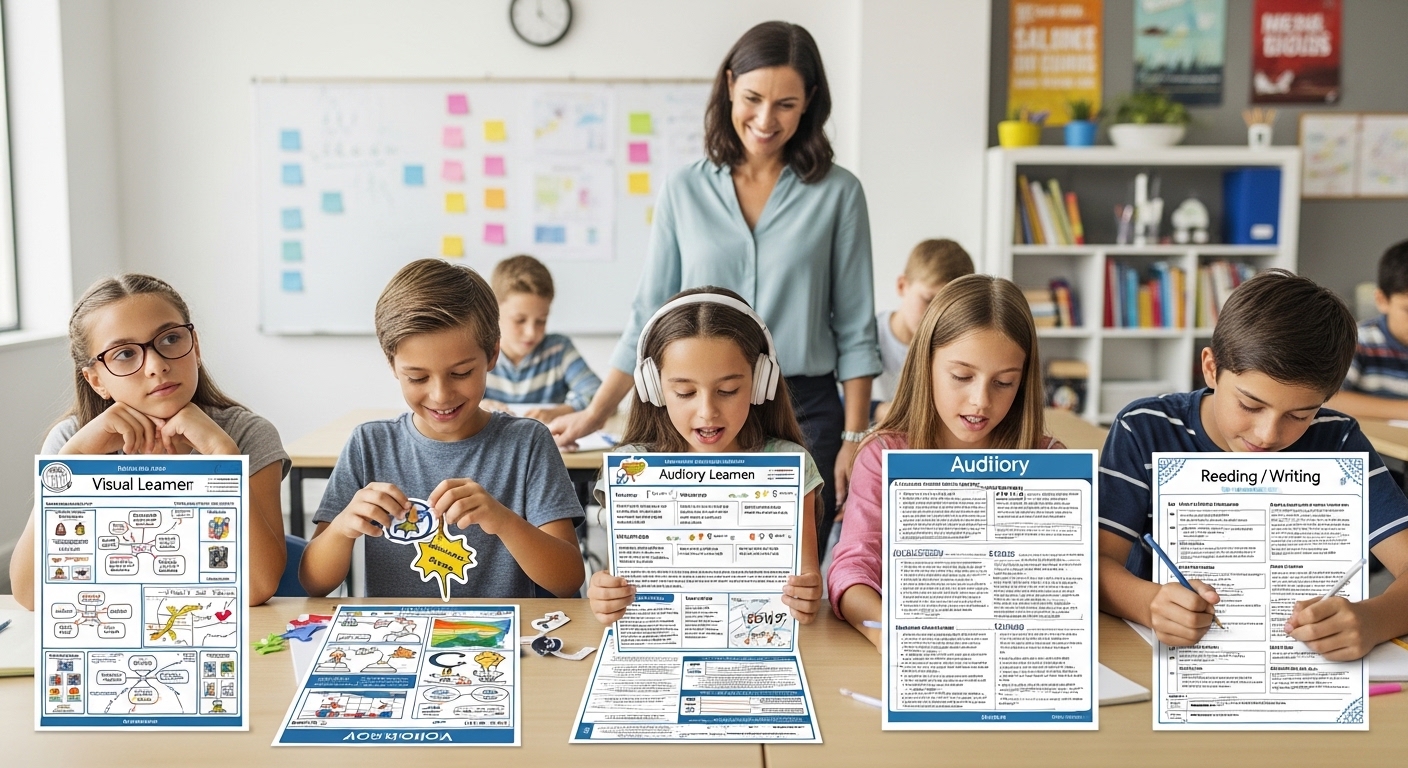
I still remember the smell of freshly sharpened pencils and the crinkle of new paper in my old classroom, where every tiny word felt like a tiny triumph.
It wasn’t just about letters, it was about the magic of knowing you could bend language to your will, even if you misspelled “definitely” three times in a row.
Third grade is that sweet spot where kids are no longer just learning to spell, but starting to spell to learn. And that’s where third grade spelling worksheets come in quietly powerful tools
that make this journey a little less scary, a little more fun, and often sprinkled with giggles over accidentally writing “cat” instead of “cot.”
For many kids, spelling can feel like walking a tightrope over a river of letters and sounds, but with the right worksheets, flashcards, and spelling challenges, this tightrope becomes a playful bridge to better vocabulary and confident writing.
Parents, teachers, and tutors alike can use these tools to not just teach words, but to instill a love of language skills that lasts far beyond Grade 3.
| Worksheet Type | Purpose / Skill | Example Activities |
|---|---|---|
| Word Lists & Sample Exercises | Vocabulary building, word usage, spelling practice | Write & check, themed word lists, mini stories |
| Missing Letters | Letter recognition, pattern spotting | Fill in the blanks, partial word completion |
| Scrambled Words | Problem-solving, spelling accuracy | Unscramble letters to form words |
| Word Shapes | Visual memory, word recognition | Trace words in outline, match shapes to words |
| Spelling Challenge | Fun practice, cognitive engagement | Timed spelling tests, “race the clock” games |
| Word Search & Hidden Letters | Pattern recognition, vocabulary recall | Find words in grid, highlight hidden letters |
| Rhyming Words | Phonics, creative writing | Match rhyming pairs, create short poems |
| Crossword Puzzles | Word comprehension, definitions | Fill grids using clues, reinforce meaning |
| Flashcards | Quick recall, interactive learning | Match word to definition, quiz practice |
| Worksheets + Workbooks Combo | Comprehensive skill development | Daily exercises, review activities, sample exercises |
Why Third Grade is a Magical Time for Spelling
By Grade 3, kids have a foundation in reading from kindergarten through Grade 2, and now they’re ready for more structured learning activities.
They’re exploring word usage, experimenting with plurals, prefixes, suffixes, and even those tricky homophones that make adults groan (“there, their, they’re”). This is the stage where spelling isn’t just a classroom exercise it’s a life skill.
Teachers often use worksheets with exercises like missing letters, scrambled words, word shapes, and crossword puzzles to keep lessons engaging.
These activities tap into different learning styles some kids love the tactile satisfaction of filling in letters, while others thrive on the puzzle-like challenge of a spelling challenge. The variety keeps the brain active and the heart curious, which is exactly what we want at this age.
Types of Third Grade Spelling Worksheets
Not all spelling worksheets are created equal. Some are straightforward “write the word ten times” types, but the best ones engage kids in multiple ways. Here’s a breakdown:
1. Word Lists and Sample Exercises
- Lists of spelling words categorized by difficulty or theme
- Sample exercises where kids spell & check their answers
- Opportunities for vocabulary building and reinforcing language skills
- Often paired with short stories or sentences to show word usage in context
These worksheets are great for daily practice and can be adapted for home use or classroom assignments. K5 Learning offers free worksheets that are perfect for this, and inexpensive workbooks often include extra activities/exercises for reinforcement.
2. Interactive Games and Puzzles
- Word search puzzles that hide spelling words in a fun, visual format
- Rhyming words exercises that combine creativity with reading and writing practice
- Hidden letters challenges for spotting patterns in words
- Crossword puzzles that reinforce definitions and spelling simultaneously
Kids often forget they’re “learning” when they’re doing a spelling challenge disguised as a game. These games also encourage peer learning when done in small groups.
3. Skill-Building Worksheets
- Exercises that focus on tricky phonics or homophones
- Scrambled words for problem-solving and cognitive engagement
- Worksheets emphasizing word families and literacy patterns
- Opportunities for reflective writing that integrate spelling practice
These are especially effective for students who need extra support or enjoy deeper dives into vocabulary building.
How Worksheets Build Real Confidence
It’s one thing to memorize words for a test, but learning to spell through structured worksheets builds confidence in a different way.
Kids start seeing spelling as part of reading and writing practice rather than just a chore. They can tackle sample worksheets, then graduate to creating their own word lists or even little stories using newly mastered words.
I remember a third grader, let’s call her Maya, who started mixing up “their” and “there” constantly. After a few weeks of worksheets with spell & check exercises, she proudly wrote a mini-story that used both words correctly three times.
teacher told her mom: “It’s not about perfection; it’s about noticing patterns.” That kind of micro-success makes a child feel like a language wizard overnight.
Using Worksheets Across Different Learning Styles
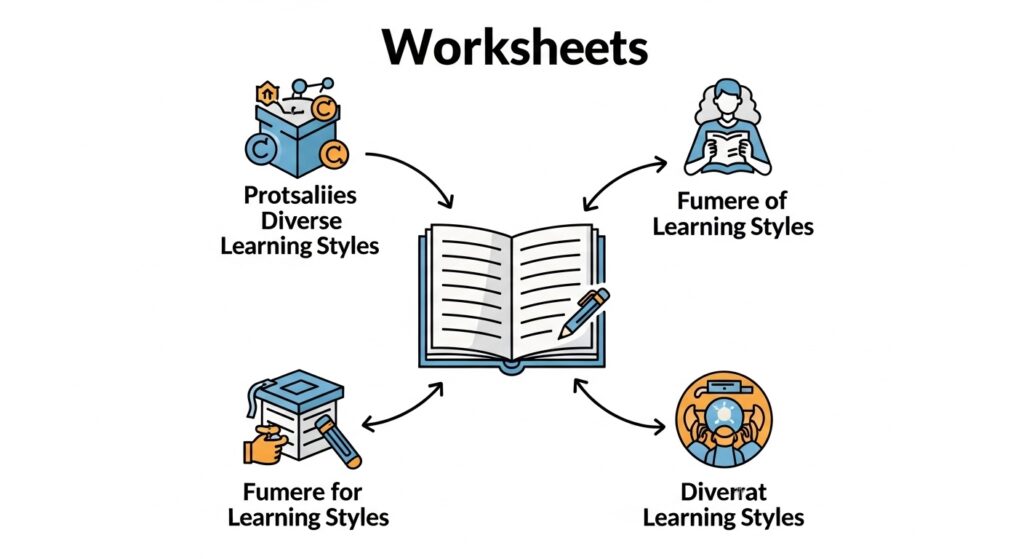
Every child learns differently. That’s why having a mix of worksheets, flashcards, workbooks, and educational games is crucial.
- Visual learners love word shapes, crossword puzzles, and hidden letters
- Auditory learners benefit from saying the words out loud during spelling challenges
- Kinesthetic learners thrive when they can write, move, or use physical flashcards
Teachers and parents can mix and match these approaches, making spelling practice feel less like a test and more like a treasure hunt through language skills.
Integrating Technology with Third Grade Spelling
Digital resources now supplement traditional worksheets beautifully. Websites like K5 Learning offer interactive versions of worksheets, letting kids get immediate feedback. Some online tools include:
- Spelling games that track progress and adapt difficulty
- Printable worksheets for offline practice
- Flashcards that kids can sort, match, or quiz themselves with
Blending digital and print resources gives kids the best of both worlds: hands-on writing and interactive feedback that keeps them engaged.
Creative Approaches to Worksheets
You don’t have to stick to the “fill in the blank” format. Creative teachers and parents often adapt worksheets into playful learning moments:
- Turn scrambled words into a mini treasure hunt
- Use word search puzzles as a warm-up before storytime
- Create a “spelling bee at home” using flashcards and spelling challenges
- Pair crossword puzzles with art: kids illustrate their answers
Even small tweaks like this make a huge difference in motivation and long-term literacy retention.
Tips for Choosing the Right Worksheets
Not every worksheet is suitable for every student. Here’s what to look for:
- Clear instructions and age-appropriate language
- Variety in activities/exercises to target different learning styles
- Opportunities to practice and improve without overwhelming the child
- Integration with existing classroom lessons or workbooks
- Affordable options with access to additional content for extended learning
Free worksheets are great, but sometimes inexpensive workbooks offer better long-term value because they provide a structured path through vocabulary building and skill development.
Real-Life Tips for Parents
Spelling practice doesn’t have to be boring. Some ways to make it more fun at home:
- Set up a “spelling corner” with worksheets, flashcards, and colorful pens
- Celebrate small victories with stickers or a mini certificate
- Encourage children to write mini-stories or comic strips using their weekly lists of spelling words
- Connect spelling exercises to everyday life grocery lists, menus, or letters to family
One mom shared that her son would “race” to finish a hidden letters puzzle before dinner, turning practice into a game and bonding experience.
Frequently Asked Questions
spelling english worksheets for grade 3
These worksheets help Grade 3 students practice spelling English words correctly and improve their vocabulary. They include exercises like word lists, missing letters, and simple spelling activities.
fun spelling worksheets
Fun spelling worksheets make learning enjoyable by using games, puzzles, and creative exercises to help children practice spelling in an engaging way.
spellings for class 3
This provides a curated list of important spelling words suitable for Class 3 students, helping them learn commonly used words and improve their writing skills.
spelling worksheet
A spelling worksheet is a printable activity that allows students to practice spelling words through exercises like fill-in-the-blanks, word jumbles, or crosswords.
dictation words for class 3
Dictation words for Class 3 are selected word lists that students can practice listening and writing, improving both their spelling and auditory skills.
Read this Blog: https://marketbellione.com/algebra/
Conclusion: Beyond Worksheets
Third grade spelling worksheets are more than just pieces of paper they’re keys to unlocking essential skills, language proficiency, and self-confidence.
By combining structured worksheets, interactive flashcards, playful spelling challenges, and thoughtful encouragement, we can turn spelling from a task into a delight.
Whether your child is in Grade 3, Grade 5, or revisiting kindergarten skills, the core principle stays the same: practice and improve through engaging, adaptable, and fun learning activities.
And as kids master words, they don’t just spell better they tell stories, express themselves, and navigate the world with confidence.
So gather those worksheets, dust off those workbooks, and start creating your own mini word adventures today. Celebrate every tiny victory, and remember that every misspelled word is just one step closer to becoming a lifelong language wizard.