
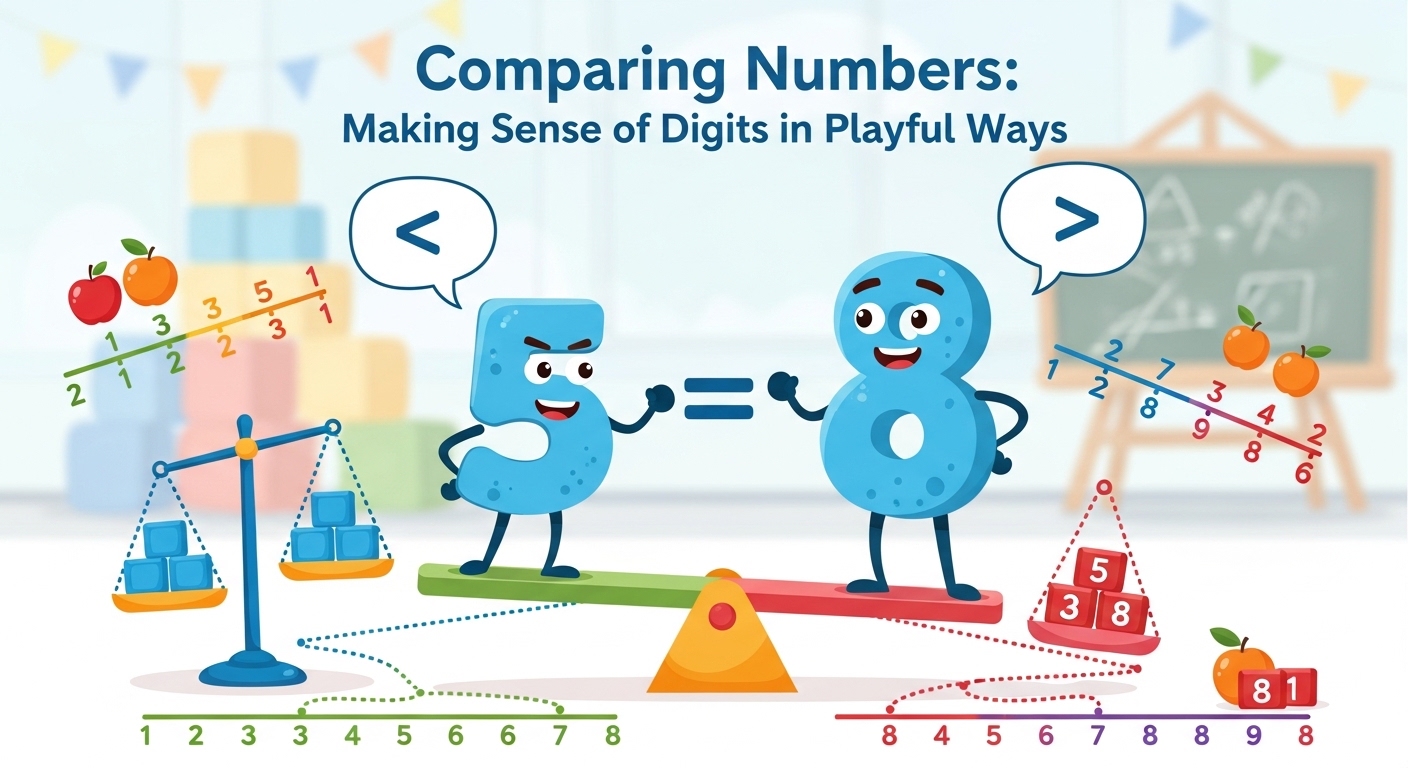
When i first sat down to teach my nephew about numbers, he looked at me like i’d grown a second head. “Why do 32 and 23 look like twins but act different?” he asked, squinting at the digits like they were some kinda secret code.
And isn’t that exactly the mystery of numbers how they appear similar, yet one is greater than, less than, or equal to another? The world of comparing numbers isn’t just about memorizing rules or filling in worksheets it’s a chance to watch little minds light up when they suddenly “get it,” when place value transforms from some abstract scribble to a living, breathing logic puzzle.
In this article, we’ll wander through the universe of numbers, peek at the quirks of hundreds, tens, ones, explore the magic of base ten blocks, and peek into playful ways to teach rounding numbers to the nearest ten, hundred, or even millions. Buckle up it’s gonna be part math, part storytelling, and maybe a lil’ bit of chaos.
| Topic | Key Points | Tools / Methods | Audience / Grade |
|---|---|---|---|
| Importance of Comparing Numbers | Helps kids understand greater than, less than, equal, predict and reason | Real-life examples, mini-stories | Kindergarten Grade 5 |
| Place Value: Hundreds, Tens, Ones | Visualizes numbers; digits’ positions matter | Base ten blocks, expanded form numbers | Kindergarten Grade 5 |
| Comparing Numbers | Not just “<” or “>”, includes ordering, rounding | Worksheets, flashcards, interactive games | Kindergarten Grade 5 |
| Ordering & Sequencing | Organizing numbers in ascending/descending order | Ordering numbers worksheets, physical number lines | Kindergarten Grade 5 |
| Rounding Numbers | Nearest 10, 100, millions; teaches approximation | Place value worksheets, hands-on exercises | Grade 2 Grade 5 |
| Fun & Creative Approaches | Number races, story math, art-based comparisons | Games, storytelling, treasure hunts | Kindergarten Grade 5 |
| Learning Resources | Worksheets, flashcards, workbooks, K5 Learning | Free or paid educational materials | Kindergarten Grade 5 |
| Making Numbers Personal | Relating numbers to real-life objects & experiences | Coins, birthday candles, toys | Kindergarten Grade 5 |
Why Comparing Numbers Matters (And Feels Like Magic)
Kids learn numbers like they learn songs they hum, they stumble, and then one day it clicks. Knowing which number is bigger, smaller, or just plain equal is like giving them a superpower: suddenly, the world is full of choices, possibilities, and tiny victories.
A Kindergarten kid spotting that 47 is bigger than 36 isn’t just counting they’re predicting, reasoning, imagining. And honestly, isn’t that what math is supposed to feel like?
Even parents get caught up in the fun. My sister once told me, “I never thought I’d find myself thrilled that my daughter knew the difference between 209 and 290!” She was right the simple act of ordering numbers on a page can be a celebration.
And tools like K5 Learning or place value worksheets make these abstract concepts tactile, letting kids stack base ten blocks and physically see how numbers grow or shrink.
The Building Blocks: Hundreds, Tens, Ones
Here’s where things start looking like Lego for math. Place value isn’t just about memorizing ones, tens, and hundreds it’s about seeing the story of a number. Take 432: four hundreds, three tens, two ones.
Now swap it to 324. Suddenly, the hundreds place changes the whole personality of the number, even though the digits are the same. Kids who play with expanded form numbers worksheets can literally feel the shift, especially when using base ten blocks to model them.
- Four hundreds, three tens, two ones now you see it, now you don’t!
- Counting 5 more? Suddenly 432 becomes 437 and they can visualize the jump.
- Rearranging numbers isn’t cheating; it’s like a dance of digits.
- Some worksheets even turn this into a game: who can stack the ones, tens, hundreds correctly first?
- Learning resources like flashcards make repetitive practice fun like trading baseball cards but with numbers.
There’s this funny anecdote from a Grade 5 teacher I know: she asked her class to round numbers to the nearest 10. One kid literally jumped up and shouted, “It’s like magic! 47 turns into 50!” That’s the moment numbers stop being boring they’re alive, responsive, and maybe a little mischievous.
Comparing Numbers in Different Ways
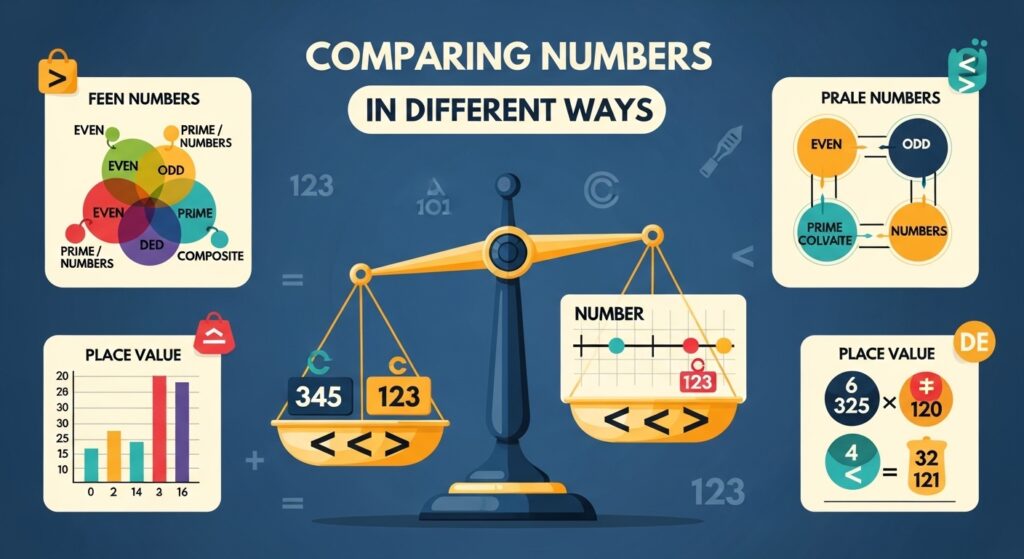
It’s tempting to think comparing numbers is just about “<” and “>”, but oh no it’s way more playful than that.
- Greater than, less than, equal: the classic trio, but they’re more than symbols they’re a language kids can whisper about.
- Ordering numbers: can be turned into a race. Give a line of numbers up to 1,000 on worksheets #2 or #4, and watch kids physically rearrange them on the floor like a mini street of digits.
- Rounding numbers: suddenly, numbers have moods. 438 rounded to the nearest 100 feels different than rounded to the nearest 10. It’s like dressing them up for a party.
- Expanded form numbers: seeing 500 + 30 + 8 instead of 538 helps kids understand what makes one number bigger than another.
- Base ten blocks: literally tangible comparisons four blocks in the hundreds tower vs. three blocks, bam, comparison understood without a single “>” sign.
Even across cultures, comparisons get celebrated. In Japan, one tradition teaches children about numbers using story-based flashcards, turning each comparison into a tiny adventure.
In Mexico, colorful counting beads accompany a simple place value worksheet, and suddenly kids see numbers in vibrant patterns, not boring black ink.
Creative Worksheets & Learning Resources That Actually Work
Here’s where the magic happens: worksheets, when designed well, don’t feel like chores they’re invitations.
- Place value worksheets: from Kindergarten to Grade 5, these guide kids through ones, tens, hundreds and sometimes millions, without ever saying “boring.”
- More place value & rounding worksheets: provide layered challenges compare numbers, round to nearest 10, 100, or even nearest million.
- Ordering numbers worksheets: make sequence tangible. Kids can cut and shuffle, physically touching the numbers.
- Free worksheets: perfect for parents who wanna try educational content at home without spending a dime.
- Base ten blocks & interactive exercises: when kids touch numbers, they remember numbers. It’s like tactile memory meets math.
- Flashcards & workbooks: great for short attention spans; turn comparisons into 2-minute challenges that feel like a game rather than a lesson.
One parent told me, “I never thought I’d hear my kid cheer for doing a worksheet #5.” But the trick? Don’t treat numbers like punishments; treat them like characters in a story waiting to interact.
Fun and Unusual Ways to Teach Number Comparisons
Sometimes the best learning moments come when kids forget they’re learning.
- Number races: line up random numbers, have kids run and place them in order. Shouts, giggles, and comparisons happen naturally.
- Digit swap challenges: “Swap the tens and ones now compare!” Suddenly, 47 becomes 74 and kids gasp at the new greater than, less than scenario.
- Story math: create a mini-tale: “Three dragons had 215 gold coins; two dragons had 342. Who’s richer?” They love drama.
- Art meets math: draw numbers as towers; taller tower = bigger number. Even pre-readers can compare visually.
- Rounding treasure hunt: hide numbers around the room, have kids round to nearest 10, collect them, and compare. Adventure + math = memory forever.
These methods reinforce comparing numbers in ways no plain worksheet ever could.
Beyond Basics: Millions, Nearest 10, and Beyond
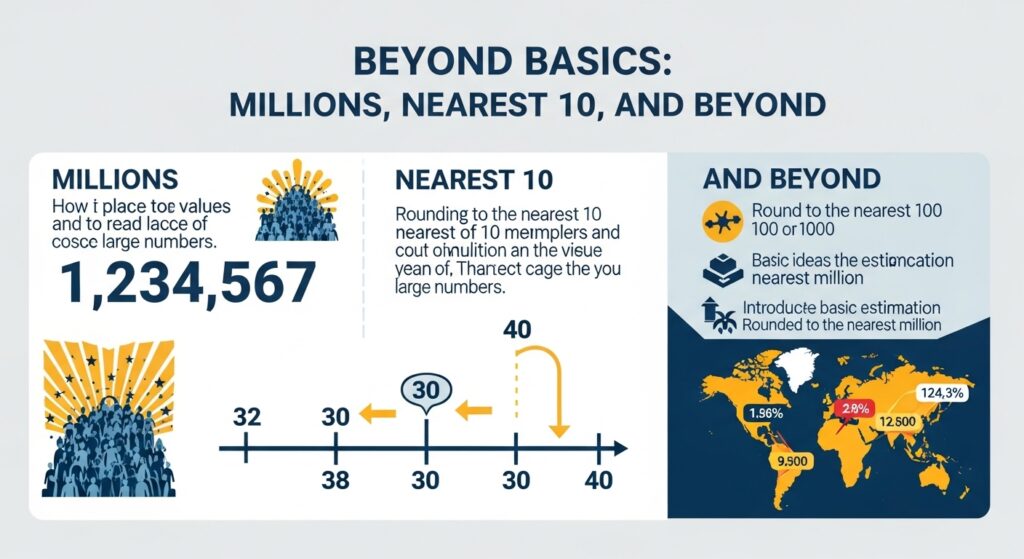
Once kids master hundreds and thousands, the universe gets bigger.
- Rounding to nearest 10, nearest 100, or millions transforms numbers into concepts they can estimate, predict, and manipulate.
- Using expanded form numbers or base ten blocks, even enormous numbers feel tangible.
- Ordering numbers up to 1,000,000 might sound scary, but with worksheets #1 or #2, kids see patterns and relationships, not just digits.
- Fun fact: Some cultures introduce “big numbers” through storytelling giants counting treasures, kings evaluating kingdoms—turning abstract digits into vivid tales.
This stage is also perfect for using platforms like K5 Learning. They combine educational materials and interactive exercises that feel more like games than lessons, reinforcing place value and numerical comparison with little friction.
Making Comparing Numbers Personal
Now, here’s the real secret: numbers become memorable when they connect to personal experience.
- Take a child’s birthday candles: compare numbers of candles vs. friends’ ages.
- Use small collections (coins, shells, Lego) to compare numbers physically.
- Turn daily routines into mini worksheets: “We have 12 apples and 8 oranges who has more?”
You can even customize your messages when teaching: “Hey buddy, look! Your expanded form numbers tower is taller than mine see how 500 + 30 + 7 beats 400 + 90 + 9?” Personal, playful, memorable.
One teacher swore by this approach: “Kids don’t just learn numbers; they remember the story of their numbers, the little victories of comparing and rounding, and they laugh along the way.”
Frequently Asked Questions
comparing numbers worksheets grade 2
These worksheets help grade 2 students practice identifying which numbers are larger or smaller, reinforcing their understanding of basic number comparison.
less than greater than worksheet
A worksheet focused on using the < and > symbols, helping students visually compare numbers and determine which is greater or smaller.
comparing numbers grade 2
Activities and exercises designed for grade 2 to strengthen skills in comparing numbers using place value and numerical order.
greater than and less than worksheets
Worksheets that provide practice in comparing numbers using “greater than” and “less than” concepts through examples and exercises.
less than greater than equal worksheet
This worksheet helps students identify when numbers are less than, greater than, or equal to each other, reinforcing comparison skills.
Read this Blog: https://marketbellione.com/friendly-letter/
Conclusion: Why Comparing Numbers Is a Gift
At the end of the day, teaching kids to compare numbers isn’t just about math. It’s about helping them see differences, recognize patterns, and make choices tiny acts of power that ripple through life.
When a child grasps that 432 is bigger than 324, they’re not just counting they’re reasoning, predicting, and feeling pride. When they round numbers or order them, they’re not just learning they’re imagining worlds, solving puzzles, and celebrating discovery.
Use worksheets, flashcards, base ten blocks, expanded form numbers, and playful exercises not just to drill skills but to light up curiosity. Share stories, laugh at mistakes, and watch the little faces beam when they realize they’ve cracked the code of numbers.
So next time you sit with a child, whether Kindergarten or Grade 5, remember: comparing numbers is more than math. It’s connection, imagination, and joy in digit form. And who knows? Maybe you’ll learn a thing or two about numbers and life along the way.