
There’s a strange lil moment when a line of poetry sneaks into your head and just… decides to stay there. Not loudly, not with fireworks, but in that gentle way a smell from childhood drifts back on a rainy afternoon.
I remember once standing in a grocery line, totally distracted by a few words from a poem I had learned years ago, and thinking huh, this tiny piece of language has lived rent-free in my mind longer than half the songs on my phone. That’s the magic of poems worth memorizing. They don’t just sit on a page; they move in with you.
In a world where our attention span flickers like an overworked lightbulb, memorizing even a short poem feels almost rebellious. It’s a quiet protest against scrolling culture.
When you commit a poem to memory, you’re building a small library inside your brain, where literary rhythm, imagery, and the heartbeat of language echo whenever you need them.
Some scholars of oral storytelling traditions even say that memorizing poetry helps strengthen memory retention and deepens concentration, which honestly makes sense when you think about it.
This article isn’t just about famous verses. It’s about poems that carry something love, grief, humor, identity, the messy beauty of everyday life.
Some come from the brilliant minds of poets like Frank O’Hara, Elizabeth Bishop, Gwendolyn Brooks, and Terrance Hayes. Others speak through themes of domestic life, social justice, and quiet moments that feel almost ordinary until you look closer.
And yeah, we’ll wander through several best poems to memorize, some modern, some older, all worth holding onto.
So pull up a chair, maybe a cup of tea or coffee or whatever keeps your brain from wandering off too quickly. Let’s talk about the lines that deserve a permanent spot in your memory.
| Poem Title | Author | Memory-Friendly Highlight |
|---|---|---|
| The Good Morrow | John Donne | Rhythmic, intimate |
Poems Worth Memorizing That Carry Love and Intimacy
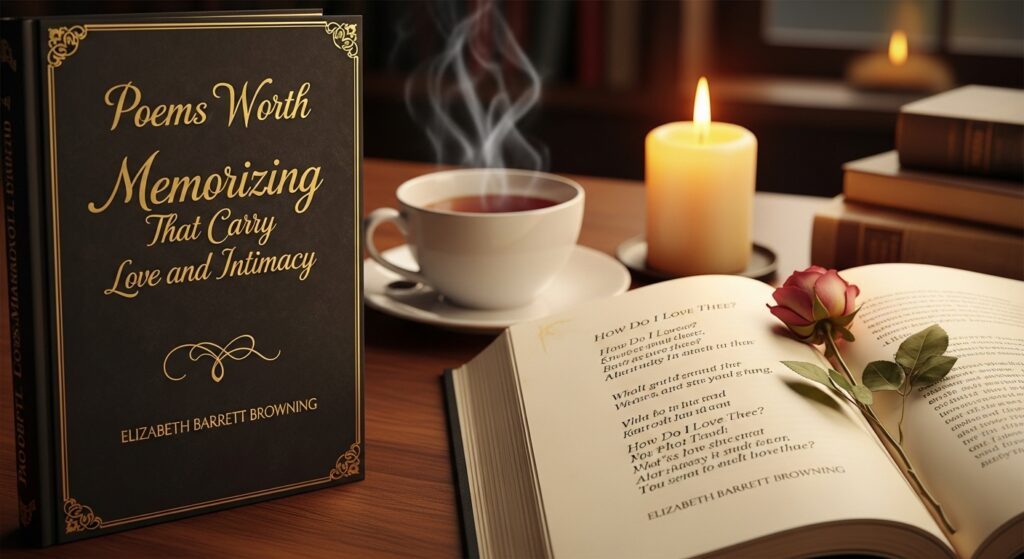
Some poems are like little time capsules of affection. They hold the awkward sweetness of being human with another human. If you’re searching for short poems to remember, love poems are often the easiest doorway.
One poet who mastered that emotional closeness is John Donne, especially in his famous work The Good Morrow. The poem explores intimacy in a way that still feels startlingly modern, centuries later. Donne’s use of meter, assonance, and philosophical imagery makes the poem feel both intellectual and deeply personal.
A few beautiful choices in the category of poems about love that are genuinely poems worth memorizing include:
• The Good Morrow by John Donne a classic meditation on awakening love and emotional unity.
• Animals by Frank O’Hara playful, spontaneous, and oddly charming in its honesty about affection.
• The Shampoo by Elizabeth Bishop a delicate look at love within routine domestic gestures.
• This Moment by Eavan Boland a luminous poem about motherhood and the quiet unfolding of evening.
• Cutting Greens by Lucille Clifton a small domestic moment layered with meaning and identity.
• The Blue Terrance by Terrance Hayes inventive and layered with striking poetic imagery and metaphor.
• Foreign Body by Kimiko Hahn a haunting exploration of intimacy, identity, and bodily awareness.
• Animals again deserves a second look, honestly, because O’Hara’s conversational voice almost feels like someone whispering their thoughts mid-walk.
These poems are powerful partly because their rhythm patterns and emotional clarity make them surprisingly easy for literary memorization. Love poems often rely on repetition, internal rhyme, and vivid sensory images, all of which help the brain latch onto them.
And truth be told, when a poem about love lives in your memory, it becomes a sort of emotional toolkit. You might remember a line years later while sitting beside someone you care about, and suddenly the world feels a bit… fuller.
Famous Poems Worth Memorizing That Reflect Everyday Life
Poetry doesn’t always need grand landscapes or dramatic heartbreak. Some of the best poems to memorize come from the quiet, overlooked corners of ordinary life kitchens, sidewalks, grocery stores, tired afternoons.
Take Gwendolyn Brooks, for instance. Her poem kitchenette building is a remarkable piece of social observation. It examines domestic life, economic hardship, and social inequality, all within a tightly controlled structure filled with subtle alliteration and powerful imagery.
Here are several famous modern poems that turn everyday experiences into unforgettable lines:
• kitchenette building by Gwendolyn Brooks a powerful exploration of poverty and aspiration in urban housing.
• A Small Needful Fact by Ross Gay a poem reflecting on the life of Eric Garner, blending grief and dignity.
• Animals by Frank O’Hara again appearing here because of its charmingly mundane observations.
• Cutting Greens by Lucille Clifton a poem about preparing vegetables that becomes a meditation on heritage.
• The Shampoo by Elizabeth Bishop ordinary love elevated through poetic sound devices.
• Foreign Body by Kimiko Hahn combining daily physical awareness with deeper reflections on identity.
• This Moment by Eavan Boland suburban stillness filled with subtle wonder.
• The Blue Terrance by Terrance Hayes layered, contemporary, and full of unexpected turns.
What makes these poems ideal for memorization is their connection to real life. Your brain already understands the scenes cooking, walking, cleaning, watching dusk fall so the language anchors itself more easily.
A literature professor once told a group of students, “Poetry about daily life sticks because the brain already knows the scenery.” And honestly, that feels true.
Short Poems to Memorize That Explore Identity and Culture
Some poetry digs into deeper soil: identity, race, memory, and the complicated inheritance of culture. These poems don’t just sound beautiful; they ask questions about who we are and how we arrived here.
One unforgettable example is A Small Needful Fact by Ross Gay, which addresses the death of Eric Garner. The poem reveals that Garner once worked for the Parks and Recreation Department, planting gardens and nurturing life. The emotional contrast in that revelation makes the poem devastatingly powerful.
In the realm of poems about identity and social justice poetry, these are particularly meaningful short poems to memorize:
• A Small Needful Fact by Ross Gay brief, poignant, and unforgettable.
• kitchenette building by Gwendolyn Brooks confronting the realities of racial and economic inequality.
• Foreign Body by Kimiko Hahn exploring cultural identity through bodily metaphor.
• The Blue Terrance by Terrance Hayes playful yet deeply reflective about art and selfhood.
• This Moment by Eavan Boland reflecting motherhood and female perspective in literature.
• Cutting Greens by Lucille Clifton linking food, heritage, and family memory.
• Animals by Frank O’Hara quietly reflecting queer identity and personal expression.
Many of these poems use associative poetry structure, where images connect loosely rather than following strict narrative logic. This technique may seem tricky at first, but the vivid imagery actually helps with memorization.
And when a poem about identity becomes part of your memory, it does something subtle but important: it keeps cultural voices alive inside everyday conversations.
Poems Worth Memorizing for Rhythm, Sound, and Musical Language
Sometimes a poem sticks in your head simply because it sounds good. The rhyme, the meter, the pattern of syllables — it all dances together in a way that makes the language almost sing.
Poetry scholars often talk about aural poetry, which means poems designed to be heard aloud. Historically, long before printing presses, poetry traveled through memory. The right combination of end rhyme, internal rhyme, and repetition could make an entire epic poem survive generations.
Here are some memory-friendly poetry selections that lean heavily on sound:
• The Good Morrow by John Donne rich with rhythmic elegance.
• Animals by Frank O’Hara conversational yet musical.
• This Moment by Eavan Boland rhythmic and visually evocative.
• Foreign Body by Kimiko Hahn layered with sonic texture.
• The Shampoo by Elizabeth Bishop soft, flowing lines perfect for recitation.
• Cutting Greens by Lucille Clifton compact and rhythmic.
• The Blue Terrance by Terrance Hayes inventive and playful with language.
Reading these aloud reveals something interesting: the brain remembers patterns. If the rhythm feels natural, memorization happens almost accidentally.
Which is kinda comforting, honestly. Language helping us remember itself.
How to Memorize Poetry (Without Feeling Like You’re Back in School)
Let’s be honest the phrase memorizing poetry might remind some people of stressful school assignments. But outside the classroom, it can actually feel pretty relaxing.
Here are a few practical techniques used by readers and actors to remember short literary texts:
• Read the poem aloud several times to absorb its rhythm patterns.
• Break the poem into small chunks or stanzas.
• Visualize the imagery described in each line.
• Write the poem by hand once or twice handwriting activates memory.
• Recite the poem while walking or doing something repetitive.
• Notice patterns like alliteration, assonance, or repetition.
• Attach emotional meaning to the lines.
A poet from the literary blog F(r)iction Log once mentioned that memorizing poetry works best when you treat it like music rather than homework. That small shift in mindset makes a surprising difference.
Creative Ways to Share Memorized Poems
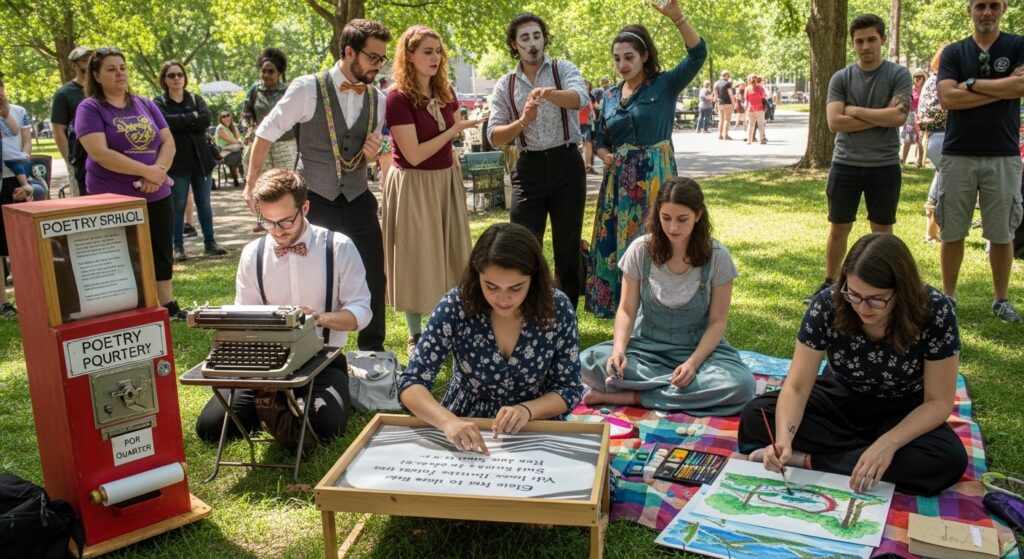
Once you’ve memorized a poem, the next fun step is sharing it. Poetry doesn’t need a stage or microphone to matter.
Some creative ideas:
• Recite a poem during a toast or special gathering.
• Send a handwritten poem to a friend who might need encouragement.
• Record yourself reading the poem and share it online.
• Whisper a line to someone during a quiet walk.
• Use a favorite verse as a personal mantra during stressful days.
In many cultures, especially those with strong oral storytelling traditions, poetry has always been shared person-to-person. Memorization keeps that tradition alive.
Frequently Asked Questions
easy poems to memorize
Short and rhythmic poems with simple language and repetitive patterns are easiest to remember. Examples include nursery rhymes or brief modern poems.
poems to memorize
Select poems with strong imagery, rhyme, or aural qualities; memorizing a few stanzas at a time makes it manageable.
beautiful poems
Poems that evoke emotion, vivid imagery, or musicality are considered beautiful and often linger in memory longer.
poem
A poem is a structured piece of writing that uses rhythm, rhyme, and figurative language to express ideas or emotions.
easy poems
Simple, concise poems with clear language and repeating patterns are ideal for beginners learning to memorize.
Read this Blog: https://marketbellione.com/metaphors/
A Final Thought: Carrying Poetry Inside Your Mind
The beautiful thing about poems worth memorizing is that they become portable pieces of art. You can carry them anywhere through airport lines, sleepless nights, long walks, or random Tuesday mornings when the world feels a bit too loud.
Unlike bookmarks or saved links, a memorized poem never disappears when your phone battery dies.
Lines from Elizabeth Bishop, Gwendolyn Brooks, Lucille Clifton, and Terrance Hayes remind us that poetry isn’t just about grand declarations. It’s about noticing the ordinary moments the chopping of greens, the quiet dusk outside a window, the strange tenderness of everyday love.
And maybe that’s the real secret behind best poems to memorize: they echo the rhythm of real life.
If you’ve ever memorized a poem that stayed with you for years, I’d genuinely love to hear about it. Which poem lives in your memory? And when did you first realize it had quietly taken up residence there?