
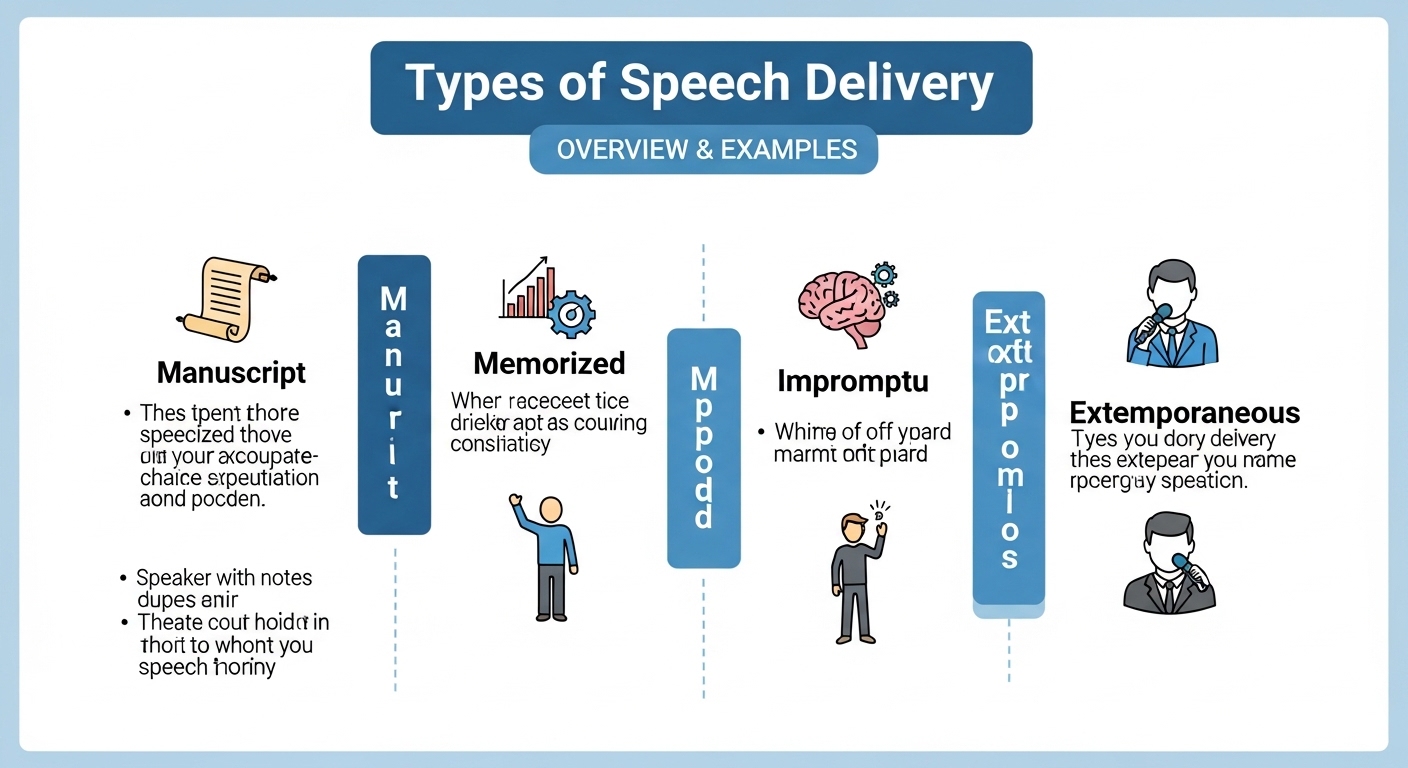
There’s this strange kinda magic that happens when someone steps up to a podium maybe it’s the little thump of nerves in the chest, maybe it’s the thrill of eyes fixated on you, waiting for words that could linger in memory or vanish in a blink.
I remember my first classroom presentation, hands sweating, knees wobbling like jelly. And yet, there’s an art hidden in that chaos: speech delivery isn’t just talking; it’s conjuring, it’s storytelling, it’s connecting without wires or plugs.
Whether it’s a quiet classroom discussion or the grandeur of a Barack Obama 2016 State of the Union Address, the way we choose to deliver our words shapes the meaning far beyond the literal text.
Public speaking isn’t just “words on a page.” It’s the deliberate orchestration of voice, posture, pacing, and even silence. Aristotle’s timeless principle, the Aristotle Rhetorical Triangle, reminds us that ethos, pathos, and logos aren’t dusty concepts they’re living tools, breathing life into speeches of all shapes and sizes.
Let’s wander through the landscape of speech delivery, explore the kinds, and peek behind the curtain at examples that illuminate each style.
| Speech Type | Description | When to Use / Examples |
|---|---|---|
| Extemporaneous | Partially prepared; relies on brief notes; flexible & spontaneous | Classroom presentations, Joe Biden 2020 Victory Speech, casual talks |
| Manuscript | Fully written and read word-for-word | Formal addresses, Barack Obama 2016 State of the Union Address, legal or ceremonial speeches |
| Memorized | Entire speech committed to memory; allows eye contact & gestures | Margaret Edson 2008 Smith College Commencement Address, graduation speeches |
| Impromptu | Completely unprepared; delivered on the spot | Q&A sessions, unexpected public speaking opportunities, small meetings |
| Special-Occasion | Celebrates or honors a person/event; emotional & context-driven | Weddings, awards, Carol Bartz 2010 Grace Hopper Celebration Keynote, memorials |
| Persuasive | Aims to convince or influence the audience | Campaign speeches, debates, classroom persuasive exercises |
| Informative | Focuses on explaining, teaching, or clarifying a topic | Lectures, workshops, Economics 102: Macroeconomics, Business 100: Intro to Business |
| Oral Narrative | Storytelling style; personal, emotional, or anecdotal | Graduation assignments, Personal Narratives in Speech Curriculum, motivational talks |
Extemporaneous Speech: Dancing with Spontaneity
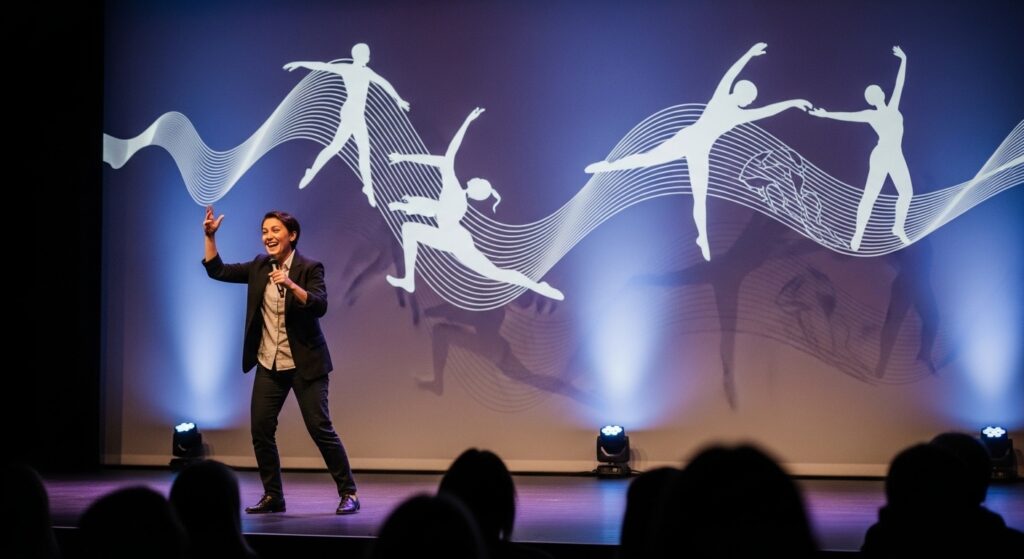
An extemporaneous speech feels like jazz improvised, yet structured. You don’t memorize every syllable, but your outline is your sheet music. You practice, you plan, and yet when you speak, you sway with the rhythm of the moment.
- Picture a student at Communications 101: Persuasive Speech, glancing down at a few notes, then lifting eyes to scan the room, pausing, gesturing a spontaneous connection sparking.
- Politicians often thrive in this mode; a Joe Biden 2020 Victory Speech might feel fluid, genuine, heartfelt, yet is carefully scaffolded with supporting points.
- Teachers of Public Speaking Activities (High School & College) emphasize this style to cultivate audience engagement and public speaking confidence, because it teaches you to think on your feet.
- Mini story: I once saw a colleague start an extemporaneous talk on Workplace Communications with Computers; he fumbled a bit with tech jargon but somehow made it hilarious, and everyone remembered the joke more than the slides.
- This style demands flexibility note-taking skills are gold here. Keep your thesis statement in mind, but let your personality color the delivery.
Extemporaneous speeches walk a delicate line between rehearsal and improvisation, keeping your audience leaning forward, curious about what you’ll say next.
Manuscript Speech: Precision in Every Word
Manuscript speeches are for moments where every word counts think Barack Obama 2016 State of the Union Address or George W. Bush – 2002 State of the Union Address. Every phrase is crafted, cited, and rehearsed.
- You see this style in legal settings or formal Special Occasion Speech moments.
- A GED Social Studies lecturer might deliver a precise argument about historical trends using this method.
- Benefits: no fear of forgetting, precise citations (Primary vs. Secondary Research) are easy to integrate, and supporting points land exactly as intended.
- Downside: can feel rigid if over-rehearsed; delivery must still breathe.
- Cultural tidbit: in Japan, formal speeches often mirror manuscript delivery, respecting hierarchy and avoiding missteps in tone.
When done well, a manuscript speech feels both authoritative and empathetic, and audiences rarely notice the prepared cadence they just feel it.
Memorized Speech: The Actor’s Craft
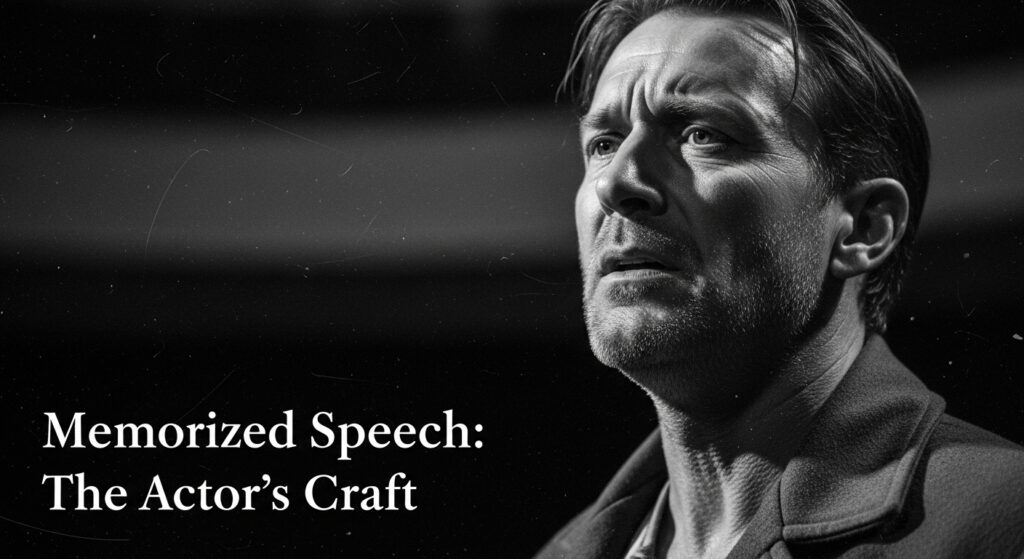
Memorized speeches are like performing a solo piece; your words are in your body, not scribbled on notes. Think of a Margaret Edson 2008 Smith College Commencement Address, delivered flawlessly from memory with emotion carefully calibrated.
- Perfect for Graduation Speech Assignments (9th–12th Grade) where students practice oral narrative activities.
- Strength: allows eye contact, physical gestures, and pacing with zero interruption.
- Risk: stumble once, and the entire flow can wobble.
- Anecdote: a friend memorized her Business 103: Introductory Business Law presentation she tripped on a slide reference, but recovered by narrating a mini-story, impressing the professor even more.
- Memorization works best when combined with a clear speech outline; your brain remembers the skeleton, voice fills in the flesh.
Memorized speeches are not just recitations they’re performances, a dance of memory, emotion, and timing.
Impromptu Speech: Lightning on the Tongue
Ever been called up unexpectedly to speak? Impromptu speeches are thrilling and terrifying. There’s no script, maybe a topic thrown at you from the ether of a Public Speaking Event.
- AP Macroeconomics students often practice these to sharpen note-taking skills and rapid speech planning.
- Success relies on instant thesis articulation, supporting arguments, and audience engagement.
- Personal anecdote: At a last-minute office meeting, I had 30 seconds to explain a complex Business 107: Organizational Behavior concept panic surged but I started with a story, and everyone nodded.
- Mini-hacks: focus on a general & specific purpose statement; anchor the speech with 2–3 quick supporting points; smile, breathe, own the stage.
Impromptu speaking is raw, human, unpredictable like lightning on the tongue, striking with unexpected clarity or amusing sparks.
Special-Occasion Speaking: Honoring Moments
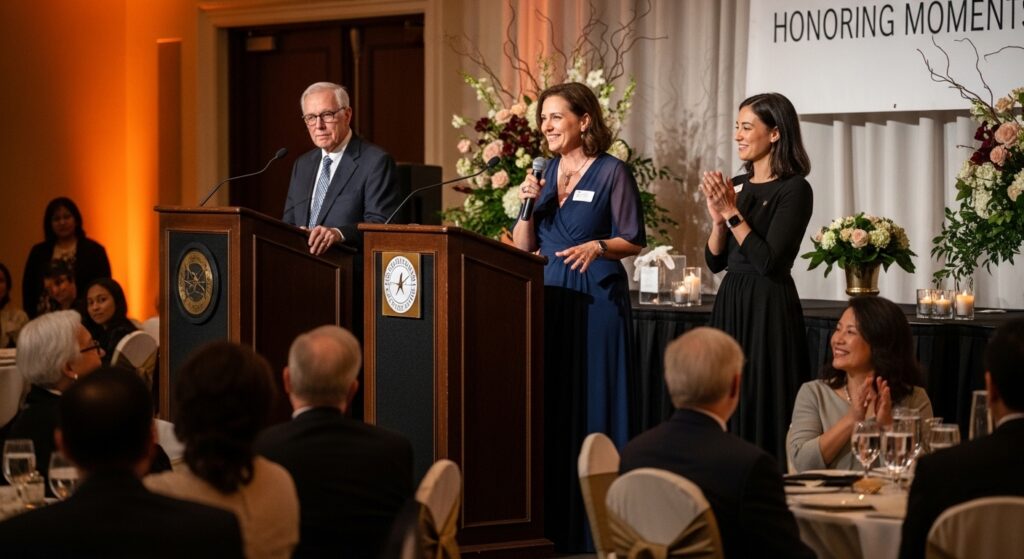
These are the speeches where you celebrate, mourn, or commemorate. Weddings, anniversaries, memorials, award ceremonie they all need Special-Occasion Speaking.
- Examples: Carol Bartz 2010 Grace Hopper Celebration Keynote, Jackie Kennedy 1962 White House Tour speech. Both were tender yet memorable, honoring the occasion with precision and warmth.
- Focus: crafting a speech conclusion that resonates, anecdotes that illustrate, a tone that matches the event.
- Cultural note: In India, a newborn’s arrival is often celebrated with storytelling, blessings, and poetic speeches, blending humor with heartfelt emotion.
- Quick tips: start with an attention-getter, sprinkle rhetorical devices, wrap with a lasting message.
Special-occasion speeches are a chance to connect deeply, make memories, and leave a legacy of words in a room.
Persuasive Speech: Moving Minds
Persuasive speeches are the high art of argument, where Communications 101: Persuasive Speech students learn to sway, convince, and inspire.
- Utilize ethos, pathos, logos (Aristotle Rhetorical Triangle) to structure logic and emotional resonance.
- Classic example: Barack Obama 2016 State of the Union Address had moments of persuasive brilliance.
- Tips: clearly define your audience & purpose, anchor with evidence, cite your sources (Citing Sources) convincingly.
- Anecdote: a student used a persuasive speech to lobby for a new UExcel Principles of Management club; she wove statistics with stories, and the administration said yes.
Persuasive speeches don’t just inform they ignite ideas, stir emotions, and occasionally, change the course of thought.
Informative Speech: Illuminating Knowledge
The goal here is clarity. Informative speeches educate, explain, and make complex subjects digestible.
- Examples: Economics 102: Macroeconomics, Business 100: Intro to Business lectures.
- Strategy: structure your speech outline, plan supporting points, use clear examples, maybe a story or analogy.
- Anecdote: a colleague teaching Oral Narrative Activities broke down Practical Application: Developing a Thesis Statement with a pizza metaphor suddenly, everyone got it.
- Bonus: enhance retention with visual aids or audience participation.
Informative speeches are a bridge between knowledge and comprehension, between teacher and learner, and sometimes, between cultures.
Oral Narrative: Telling the Story

Oral narrative speeches are pure storytelling. Personal, intimate, woven with emotion.
- Assignments like Personal Narratives in Speech Curriculum rely on this style heavily.
- Stories anchor lessons; humor, tragedy, and triumph keep attention high.
- Example: A Graduation Speech Assignment on resilience might weave a student’s summer job mishap into a lesson about teamwork.
- Tip: employ emphasis in rhetoric, small pauses, gestures, and personal anecdotes.
Narrative speeches humanize content, letting the audience feel, not just hear.
How to Choose the Right Speech Delivery
It’s not just about style; it’s about context. Ask:
- What’s the audience? Students, professionals, family, strangers?
- What’s the goal? Persuade, inform, entertain, honor?
- How much preparation time?
Mix styles if necessary an informative speech with narrative elements, or a manuscript speech peppered with extemporaneous remarks can captivate.
Practical Tips for Better Speech Delivery
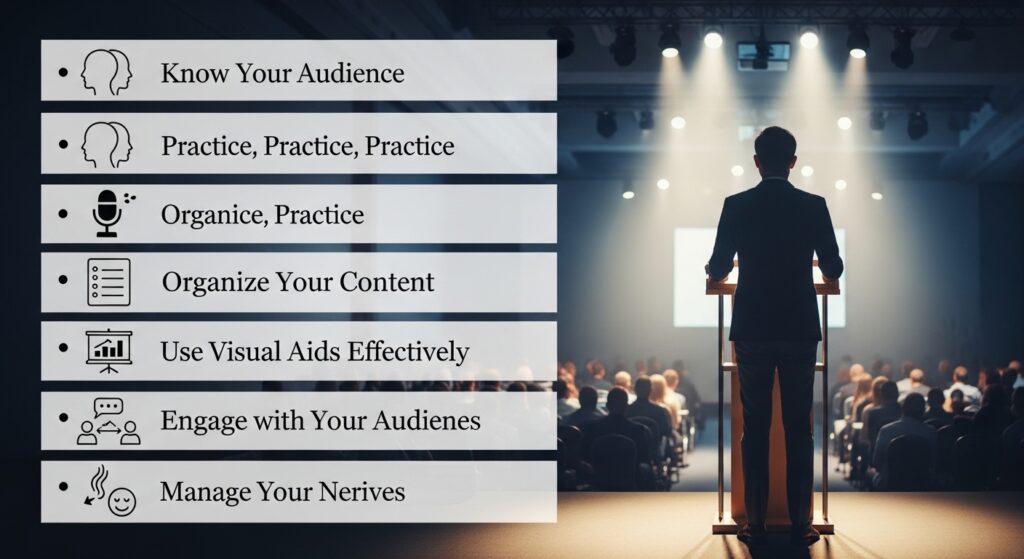
- Practice aloud, record, playback, notice quirks.
- Eye contact > reading slides.
- Pause deliberately; silence is a tool.
- Adapt body language to tone; gestures reinforce words.
- Make it personal: anecdotes, humor, cultural references.
Frequently Asked Questions
extemporaneous speech examples
An extemporaneous speech is delivered with limited preparation. Examples include giving a classroom presentation on a current event or speaking on a topic chosen minutes before a debate.
manuscript speech examples
A manuscript speech is read word-for-word from a written text. Examples include a presidential address, formal keynote at a conference, or legal arguments in court.
example of extemporaneous speech
An example of an extemporaneous speech is a student explaining the importance of recycling at a school assembly after 10 minutes of preparation.
speech delivery examples
Speech delivery examples include extemporaneous talks, memorized speeches, manuscript readings, and impromptu remarks at meetings or events.
examples of extemporaneous speech
Other examples of extemporaneous speeches include presenting a research summary in class, giving a toast at a wedding, or discussing a news topic during a debate.
Read this Blog: https://marketbellione.com/declension-definition-purpose-examples/
Conclusion: The Beauty of Speech
Speech delivery is more than mechanics it’s human connection, emotion, and clarity wrapped in vocal cords and posture. Whether you’re mimicking Jackie Kennedy 1962 White House Tour poise, improvising like an impromptu speaker, or crafting a polished manuscript like Carol Bartz 2010 Grace Hopper Celebration Keynote, your words can linger in memory, influence minds, and touch hearts.
Step up, speak out, and remember: the magic isn’t in memorizing lines, but in making your audience feel, think, and remember. Words delivered well are a gift and anyone who speaks with intention has the power to inspire, console, and ignite.